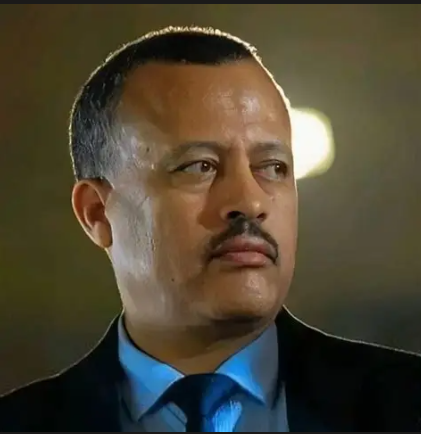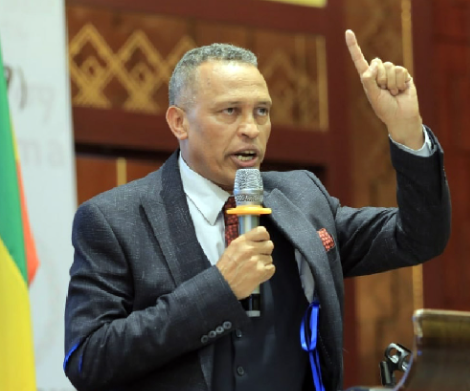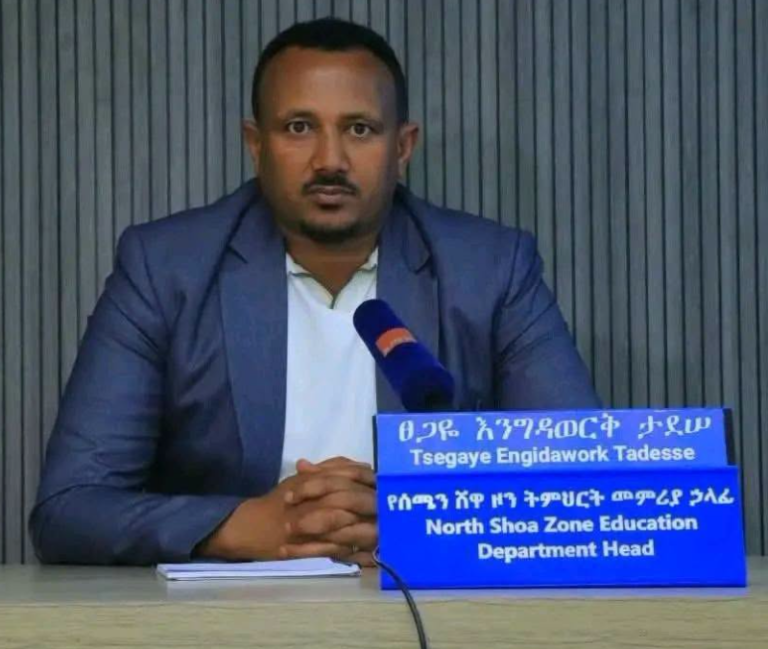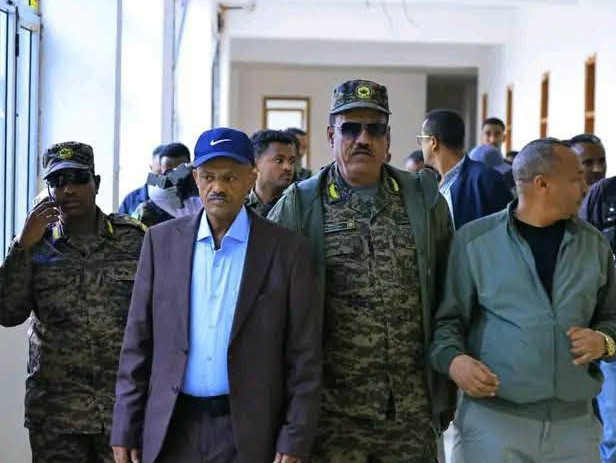
The Amhara Communication Bureau reports that President Arega Kebede visited development works in the Debre Markos city administration this week. According to the bureau’s statement, the visit was attended by high-level regional officials including Vice President Dr. Abdu Hussein, Deputy Head of Administration Coordinator Dr. Amanuel Ferede, and other senior leaders. The delegation inspected the modern hospital under construction, the Amhara Development Association (ALMA) building, and several other ongoing projects around the city (Amhara Communication Bureau).
The bureau said the hospital — owned by the Amhara Regional Health Bureau and being built by Menkorer Construction Company — is nearing completion and will contain “hundreds of beds” to serve Debre Markos and surrounding communities. Officials stated the facility will expand treatment capacity and strengthen disease prevention efforts, with completion anticipated “by the end of April 2018.” The ALMA building is also said to be approaching completion and includes cultural and historical elements in its design. According to the bureau, many additional municipal projects are underway (Amhara Communication Bureau).
Teshome Wale, the first deputy mayor of Debre Markos, told the bureau that work is progressing to ensure the development of the city and the benefit of residents. He explained that the city is expanding, that authorities aim to strengthen one-stop service delivery and revenue collection, and that existing and new projects will be carried out with community participation (Amhara Communication Bureau).
The Amhara Communication Bureau added that renewed peace in the city has created a “conducive situation” for development and that officials intend to address longstanding service gaps.
The other side: Although the bureau highlights progress, it is important to note that Debre Markos has been one of the areas most deeply affected by years of clashes between Fano forces and government security units. Throughout 2023 and 2024, multiple independent reports documented heavy confrontations, damage to infrastructure, displacement of civilians, and disruptions to basic services across several Amhara towns, including areas in and around Debre Markos.
Because of the scale of destruction and instability, many observers argue that the current redevelopment — important as it is — remains small compared to the magnitude of the damage. Analysts and rights groups continue to emphasize that both sides, government forces and Fano-aligned fighters, have responsibilities to acknowledge harm done to civilians, allow transparent assessments, and participate in accountability and reconciliation measures.
Without parallel efforts in accountability, justice, and community-led recovery, development projects alone may not address the deeper grievances or material losses residents continue to face. For reconstruction to be meaningful, both the government and Fano actors must take responsibility and engage in rebuilding efforts that reflect the actual scale of needs on the ground.