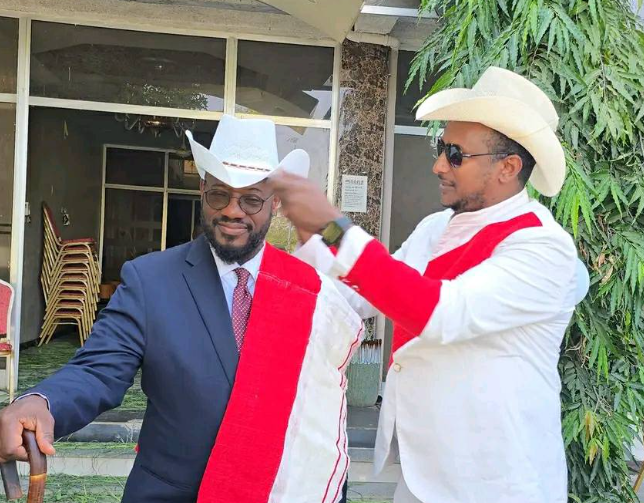
In a significant diplomatic visit to the Wolkayit Tegede Setit Humera Zone, United States Ambassador to Ethiopia Ervin Massinga met with regional leaders and community representatives to discuss the area’s complex history and the urgent need for national stability. Arriving in Humera city alongside a delegation of officials, the Ambassador focused on assessing the current state of health services and engaging in a deep dialogue regarding the identity and historical grievances of the local population.
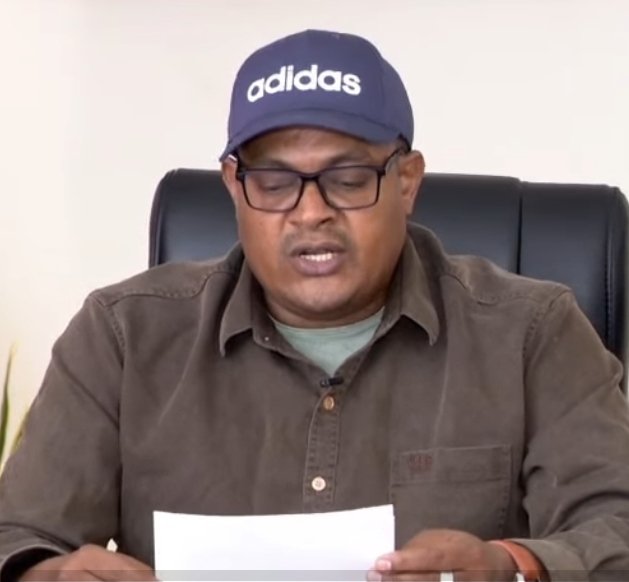
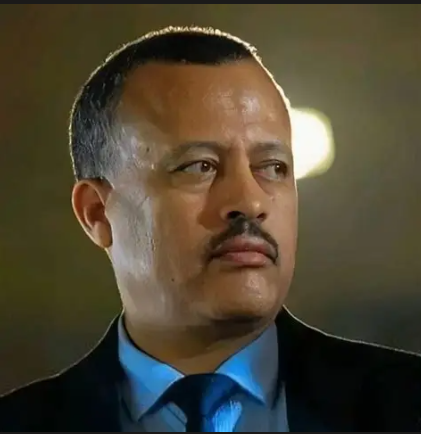
During the discussions, Zone Administrator Ashete Demlew and Dr. Gessesew Wendim, a prominent member of the Identity Restoration Committee, provided the Ambassador with a detailed account of the challenges faced by the Wolkayit Tegede people. They described a long history of systemic oppression and violence, specifically pointing to massacres and forced deportations that occurred during the decades of TPLF administration. The local leadership emphasized that their struggle is fundamentally one of identity, asserting that the community has faced immense suffering simply for claiming Amhara heritage. They further alleged that historical evidence and even testimonies from various political figures support their claim that the region was never part of Tigray but was annexed by force.
Ambassador Massinga acknowledged the accounts of injustice and human rights violations presented by the local representatives. He expressed a commitment on behalf of the United States to assist in various developmental sectors and underscored the importance of resolving identity and territorial questions through the nation’s legal frameworks. While recognizing the pain of the past, the Ambassador emphasized that the ultimate goal for the international community is to see peace flourish on all sides, ensuring that the rights of all citizens are protected under the law.
The visit to the Amhara region coincided with a broader, more urgent policy statement from the U.S. Embassy regarding the various internal conflicts currently destabilizing Ethiopia. In an official address, Ambassador Massinga called for an immediate shift toward a “people-first” approach to governance and conflict resolution. He addressed the ongoing violence in different parts of the country, specifically urging Fano forces to present realistic, peaceful objectives and calling for the Oromo Liberation Army to engage in sincere negotiations to end the fighting in Oromia.
Furthermore, the Ambassador directed a call to the federal government to prioritize the safety of its people and to pursue peaceful resolutions rather than relying on military force. He highlighted the devastating impact of continued lawlessness, noting that internal displacement and the disruption of essential services like healthcare and education are the primary costs of the ongoing struggle. Massinga stressed that for Ethiopia to move forward, it must end the cycle of violence and prioritize the return of displaced persons to their homes.
The diplomatic mission concluded on a symbolic note, with local leaders presenting the Ambassador and his delegation with traditional Wolkayit Tegede Amhara clothing, representing the cultural heritage the community is striving to preserve. As the U.S. continues to monitor the situation, the visit highlights the delicate intersection of local identity politics and the broader national effort to secure a lasting peace within Ethiopia’s borders.