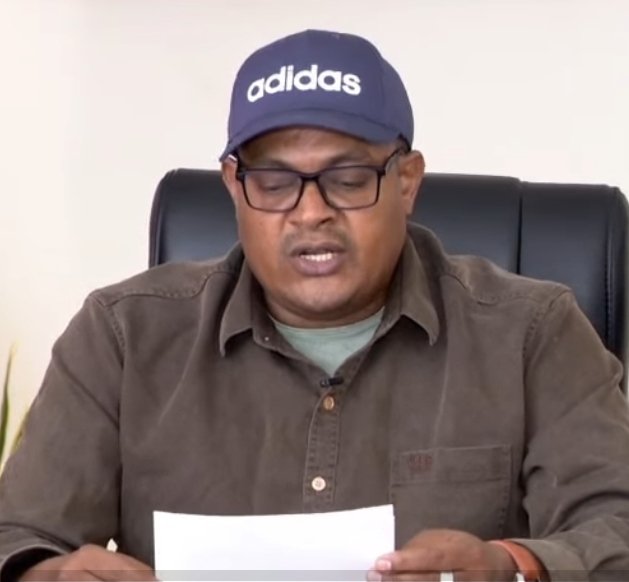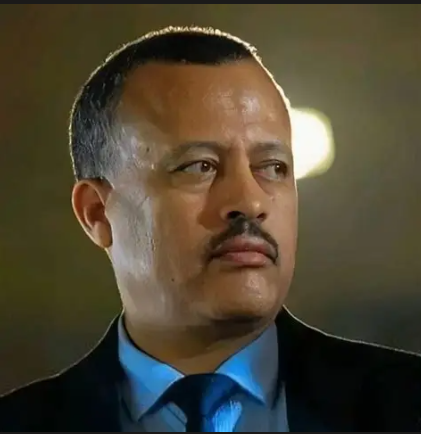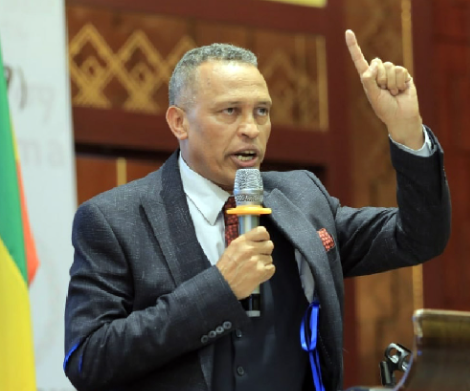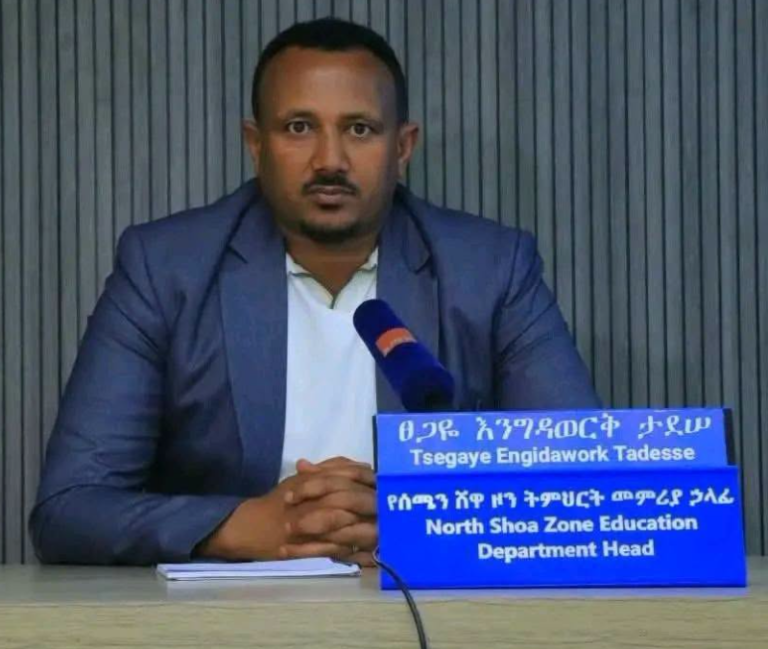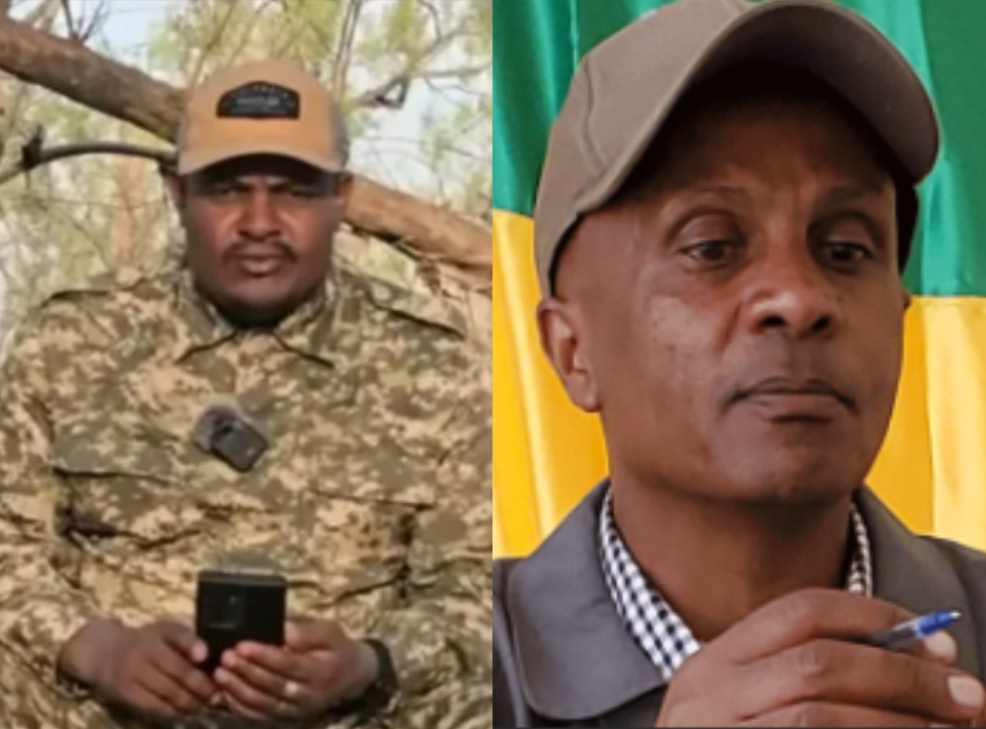
In a significant shift within Ethiopia’s political and security landscape, the Fano forces officially announced on Sunday the successful unification of all disparate wings under a single, centralized command. The newly formed Amhara Fano National Movement (AFNM) marks the culmination of months of intensive political research and internal deliberations aimed at bridging regional divisions and establishing a cohesive institutional framework. While the move follows frequent public updates regarding the progress of these talks, the formal signing of a foundational covenant signals a transition from fragmented grassroots resistance to a structured political and military organization.
The movement’s guiding charter, ratified with unanimous support from prominent figures, articulates a vision centered on the creation of a pan-Ethiopian Democratic Union. According to official releases from the organization, the AFNM intends to focus on internal capacity building as a prerequisite for ensuring the existence and security of the people. The movement has pledged to champion a democratic Ethiopia where both individual and group rights are constitutionally observed, emphasizing the restoration of justice and the promotion of peaceful coexistence across the nation’s diverse ethnic and social groups.
Leading the new organization is Zemene Kassie, the veteran leader of the Fano forces in Gojjam, who has been named Chairperson of the AFNM. He is supported by a senior executive team that reflects the regional diversity of the movement, with Meketaw Mamo of Shewa serving as First Vice-Chairperson. The leadership structure further distinguishes between political and military spheres, appointing Habte Wolde of Gondar as Vice-Chairperson for Military Affairs and Hamle Adane as Deputy Chairperson overseeing the Political Affairs portfolio.
The organization has also formalized its operational command by appointing high-ranking officers to specialized roles. Brigadier General Tefera Mamo has been designated as the Military Commander, with Mere Wodajo serving as his deputy. To ensure administrative efficiency, Zenabu Lengerew of Gojjam will oversee the movement’s internal administration, while Samuel Baleadera has been tasked with leading the Military Training department. Communication and outreach will be managed by Asrese Mare, who has been appointed to head the Public Relations department.
A broad coalition of influential figures has been integrated into the movement’s various governing bodies to ensure representative leadership. Among those ratified to key roles within the AFNM are Geta Asrade, Dirset Birhane, Baye Alebachew, and Mintesnot Wondaferew. Other prominent figures named to the leadership roster include Aschalew Belete, veteran political figure Eskinder Nega, Abebe Fantaw, Ashagrie Baye, Biruk Abebe, and Zemene Mehretu. Analysts suggest that this consolidation of leadership aims to present a unified front capable of engaging in both defense and potential future political negotiations, moving the Fano movement toward a more formalized role in Ethiopia’s ongoing national discourse.