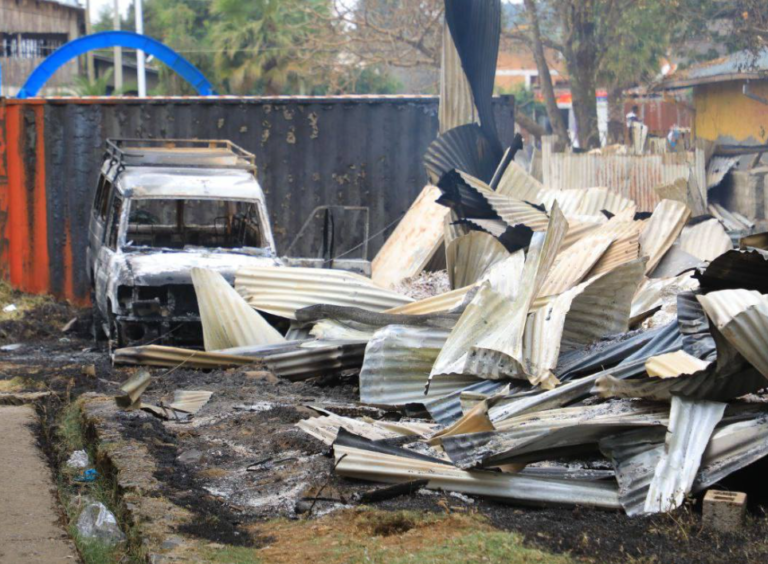
Fresh fighting has been reported across multiple parts of Ethiopia’s Amhara region, highlighting that the conflict between federal forces and Fano militias remains active despite earlier official claims of near-total victory.According to a statement released by the Ethiopian National Defense Force’s Eastern Command, security operations were carried out over nearly two weeks in North Gojjam, West Gojjam, Awai, and parts of Bahir Dar, the regional capital. The military claims the campaign resulted in the killing of 200 fighters it labels as “extremists,” a term commonly used by the government to describe Fano forces. An additional 53 were reported wounded.The Defense Force did not disclose whether its own troops sustained casualties. It characterized the operations as rapid, highly mobile, and covert, suggesting an ongoing counterinsurgency effort rather than a final phase of stabilization.Federal authorities also reported detaining 41 individuals, while 19 others allegedly surrendered outright. Another 37 were said to have laid down arms under an amnesty arrangement. Large quantities of weapons were reportedly seized, including assault rifles, handguns, grenades, landmines, and an 82-millimeter mortar launcher—equipment that points to organized and sustained combat capabilities rather than isolated guerrilla activity.These developments stand in contrast to earlier statements made in parliament by Defense Chief of Staff Field Marshal Berhanu Jula, who previously asserted that the vast majority of armed groups had already been neutralized.Fano forces, for their part, issued their own battlefield claims. Spokespersons aligned with the movement stated that more than 215 government soldiers were killed and 80 wounded during a single week of clashes in the Metema area of North Gondar. As with the federal military’s statement, no information was provided regarding casualties on their own side.Yohannes Nigussu, speaking to Anchor Media, attributed the reported gains to coordinated actions by four corps operating under the Belay Zeleke Command. He also revealed that internal reviews are underway, including a 45-day evaluation process intended to reorganize leadership and remove suspected government infiltrators. Similar restructuring efforts have reportedly taken place among Fano units operating in Wollo.These moves appear to follow the government’s recent announcement of a Fano leader’s surrender, an event officially framed as a peace initiative involving African Union and IGAD representatives—though such claims remain contested on the ground.What is unmistakable is that the war narrative on both sides remains dominated by body counts, weapon tallies, and declarations of dominance, while the conflict itself drags on with no clear political resolution in sight.