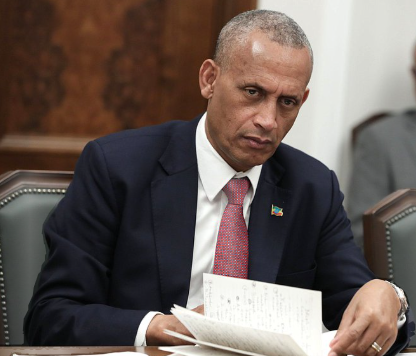
The Ethiopian government has publicly accused Eritrea and a hardline faction of the Tigray People’s Liberation Front (TPLF) of collaborating under a new alliance — labelled “Tsimdo” by Addis Ababa — and of backing the recent Fano assault on Woldiya in the Amhara Region. In a diplomatic letter dated 2 October 2025 to UN Secretary-General António Guterres, Foreign Minister Gedion Timothewos said the alleged collusion represents a clear and growing threat to Ethiopia’s stability.
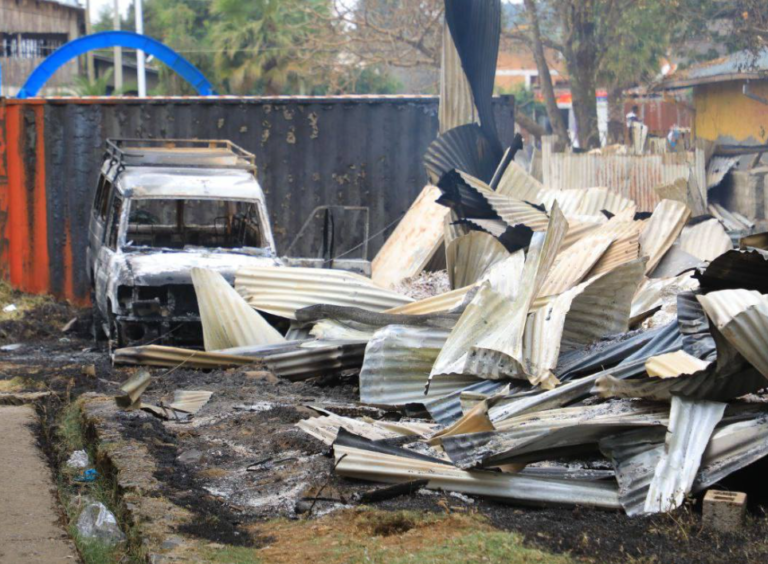
Gedion’s letter, obtained and summarized by Addis Standard, accuses Eritrea of underwriting the alliance with “financial, material and political support” and says TPLF elements and Eritrean proxies were involved in an operation by Fano militants that targeted Woldiya — with additional skirmishes reported in Raya and Welkait. The ministry framed the operation not as a local militia flare-up but as part of an orchestrated campaign to “expand the horizon of the conflict” inside Ethiopia.
The foreign ministry stressed that Ethiopia’s armed forces have so far adopted “a defensive posture” and shown “maximum restraint,” but warned that restraint was not indefinite — a pointed reminder that the government believes these actions could justify stronger responses if they continue. The ministry also urged the international community to press Eritrea to halt what Addis Ababa calls “direct and indirect acts of hostility” and to respect Ethiopia’s sovereignty.
Government supporters say the new framing is intended to internationalize what had previously been portrayed as internal or regional violence, turning the Woldiya fighting into a matter of state-level aggression. In this narrative, the Tsimdo label describes not merely a tactical cooperation but a strategic realignment between actors — one that, if true, would mark a dramatic hardening of regional fault lines and risk wider confrontation. Analysts who track Horn of Africa dynamics say similar claims about rapprochement between TPLF hardliners and Eritrea have circulated in recent months, though interpretations differ on how operational and sustained such an alignment is.
Critics and independent observers caution against accepting the government’s account at face value without clearer evidence. They point out that the region’s political actors have long used charged accusations to mobilize domestic support and diplomatic leverage. Addis Standard’s reporting on the letter notes the seriousness of the allegations while also recording calls for full, impartial investigations into battlefield claims and command-and-control links.
What’s next: Addis Ababa says it remains committed to pursuing access to the sea “through peaceful means” and to institutional economic integration with Eritrea — language in Gedion’s letter meant to signal that Ethiopia prefers diplomacy even as it protests alleged interference. Yet the ministry’s public accusations make clear that the government views any renewed tactical cooperation between external state actors and domestic militias as a red line that could change the calculus for both diplomacy and security across the Horn.