The House of Federation has ordered that federal parliamentary contests in five districts formerly administered by Tigray be conducted outside the region’s administration until competing ownership claims are settled, a directive sent to the National Election Board of Ethiopia in a letter dated 3 February 2026.
The HoF identified the contested seats as Humera and Adi Remets in the west, plus Tselemti and the southern districts of Korem Ofla and Raya Alamata, and said voting there will be for the House of Peoples’ Representatives only, with local council ballots postponed until a constitutional decision on administrative ownership is reached.
The Board, which had earlier mapped polling locations in woredas such as Setit Humera, Kafta Humera and Wolkait as well as Tsegede, said it will implement the election timetable in line with the HoF ruling while observing the necessary legal procedures.
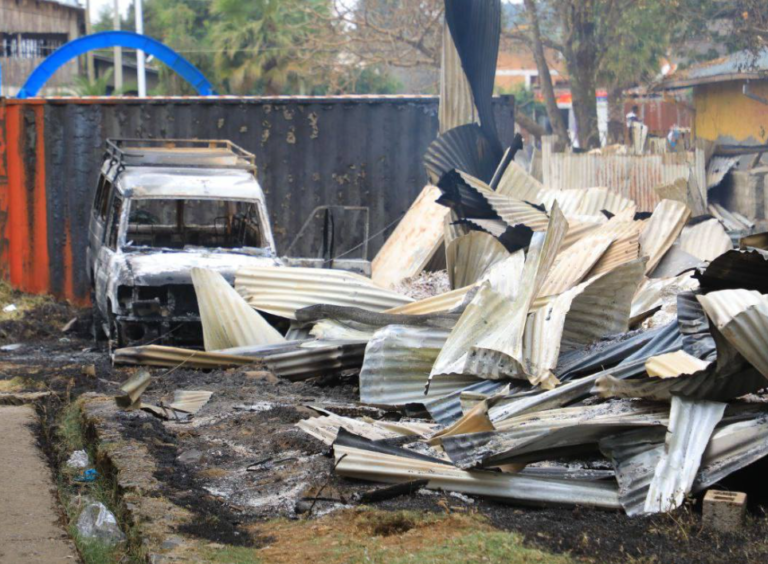
Authorities noted that the areas have been under the control of armed forces aligned with the federal government and the Amhara Regional State since the outbreak of war in November 2020, and that those developments coincided with the mass expulsions and displacement that devastated Western Tigray.
The HoF decision follows a fraught period during which the Pretoria cessation of hostilities failed to restore many displaced people to their homes; the president of the interim regional administration, Tadesse Werede, has warned that roughly 40 percent of the region remains outside the interim government’s control.
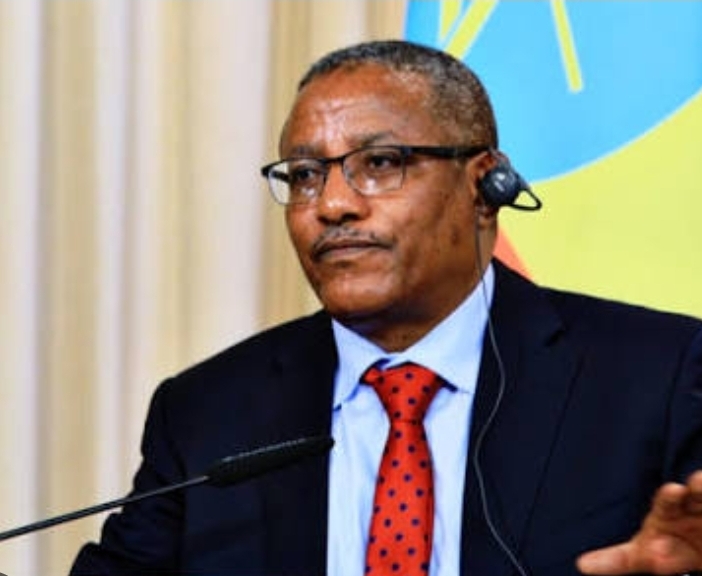
Tigrayan political formations pushed back hard: the National Congress of Great Tigray (Baytona) and its chair Kibrom Berhe say they have been unable to provide candidate lists because election infrastructure was destroyed and insecurity persists, while Salsay Weyane Tigray — which has appealed directly to international figures including Mahmoud Ali Youssouf, Marco Rubio, Workneh Gebeyehu and Tagesse Chafo — denounced a proposal to permit internally displaced persons to vote from camps and argued that elections before the return of IDPs would violate their rights and the peace agreement.
Other parties echoed concerns about credibility: the Tigrai Independence Party (TIP) argued that technical readiness does not equate to conditions suitable for a meaningful post-war vote, and rights monitors such as Human Rights Watch (HRW) and a report by the US State Department have documented forced expulsions and serious abuses in western parts of the region.
Meanwhile, humanitarian alarms persist: thousands of displaced people who staged protests last summer and those sheltering at the Hitsats IDP center are reported to be facing dire shortages of food and medical care.
From an Amhara political perspective, the ruling drew public approval: the National Movement Of Amhara (NaMA), led by Belete Molla, welcomed the House of Federation’s decision as a step toward clarifying administrative control and enabling the parliamentary vote in the contested districts.