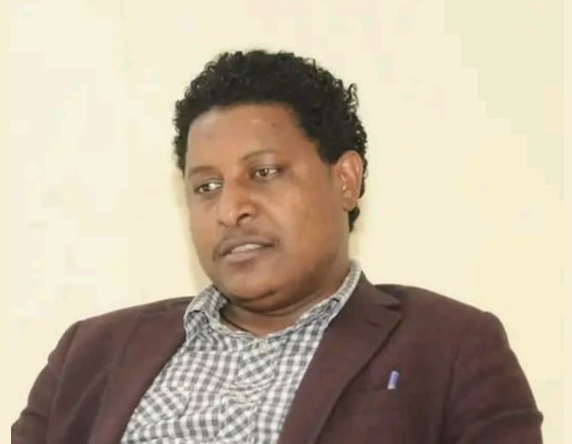
Assistant Professor Sisay Awgachew was forcibly taken by security officers at the prison gate on Wednesday moments after completing bail procedures, according to his lawyer and family, in a move they describe as an abduction by government forces that has reignited concerns over the treatment of high-profile Amhara political detainees.
Professor Sisay, a prominent academic figure who had spent years in detention, had finalized all legal requirements for his release and was expected to walk free when officers from the Federal Police allegedly intercepted him outside the facility and drove him away to an undisclosed destination. His lawyer said relatives were waiting nearby to receive him when they witnessed him being placed into a vehicle and taken away immediately after exiting the prison compound.
The incident has triggered outrage among supporters and legal observers, who say the removal of a detainee at the moment of court-authorized release demonstrates a pattern in which security institutions override judicial decisions in politically sensitive cases. For many, the seizure of Professor Sisay — a widely known academic whose case has drawn national attention — symbolizes the precarious position of prominent Amhara figures detained under sweeping security-related accusations.
Professor Sisay is among dozens of defendants prosecuted in a broad case involving journalists, activists and academics accused of collaborating with armed groups and plotting violence against regional and federal authorities. Supporters argue the charges have long been used to silence influential Amhara voices critical of federal policy, pointing to prolonged pretrial detention and repeated legal delays as evidence of politicized prosecution.
The episode has intensified criticism of the governing Prosperity Party, which opposition figures and diaspora activists accuse of presiding over an expanding crackdown on Amhara political prisoners. They contend that the continued detention and re-arrest of high-profile Amhara intellectuals, journalists and community leaders reflects a broader campaign to neutralize perceived dissent in the region amid ongoing tensions and conflict.
The condemnation has also extended to opposition groups. The Ethiopian People’s Revolutionary Party (EPRP) denounced the incident, describing the seizure of Professor Sisay after a lawful bail decision as further evidence of what it called systematic repression against Amhara political figures and critics of the government. The party urged authorities to immediately disclose his whereabouts, respect judicial rulings, and end what it characterized as politically motivated detentions.
Government officials have previously defended such arrests as necessary measures to counter insurgency and preserve national stability. However, the sudden removal of Professor Sisay despite a court-approved release order has renewed demands for transparency regarding his legal status and access to counsel, while amplifying fears among families of other detainees that bail decisions may offer no guarantee of freedom.
For many observers, the incident underscores deepening mistrust between Amhara communities and federal authorities, with Professor Sisay’s re-arrest seen not as an isolated event but as part of a broader pattern affecting numerous Amhara detainees who remain entangled in long-running security prosecutions under the current administration.