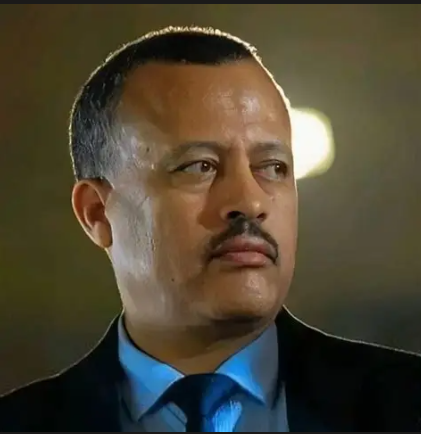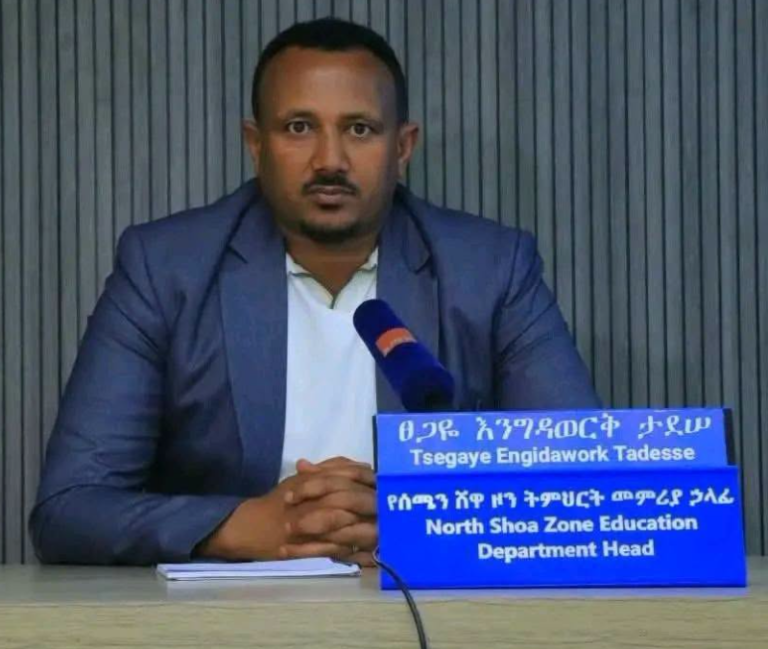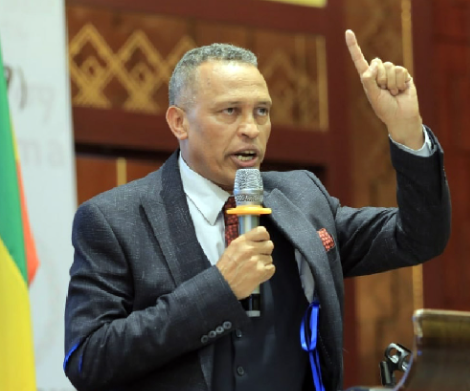
An Ethiopian federal court has ordered the release on bail of three opposition-linked figures held in a terrorism investigation, rejecting a request by federal police for an additional 14 days of investigative detention.
The Federal High Court’s Lideta First Instance Bench ordered EPRP figures Abebe Akalu and Yisak Wolday, along with lawyer Abera Nigus, to be released on 50,000 birr bail each. The decision followed a police request for more time to investigate allegations against the three.
Police have alleged that the suspects had direct connections with senior figures from the Tigray People’s Liberation Front and other groups and were involved in activities aimed at destabilizing the government. Investigators have also raised allegations involving the organization of an armed force and violence in communities around Arba Minch, including claims concerning the deaths of 23 civilians.
The defendants have rejected the allegations. Lawyer Abera Nigus challenged the police’s claim of links to senior political figures, arguing that if investigators actually possess evidence of such contacts, they should bring a direct criminal case rather than repeatedly seek additional investigation time.
Police say they have already gathered witness testimony, forensic evidence and information from banks and government institutions as part of the investigation. Yet the court’s decision to reject another detention extension raises an important question: how much longer can politically sensitive investigations be used to hold opposition figures without formal charges and judicially tested evidence?
The case is especially troubling because it involves political figures and a lawyer in a country where national-security and terrorism laws have increasingly become part of the struggle over political opposition. Genuine threats of violence and terrorism must be investigated, but such serious powers cannot be allowed to become tools for intimidating political opponents or criminalizing dissent.
There is a fundamental difference between investigating a genuine security threat and treating political opposition itself as a security threat. Allegations made by police are not proof of guilt, and detention before conviction should never become a substitute for prosecution.
The court’s decision to release the three men on bail does not amount to an acquittal, but it is an important reminder that accusations must ultimately be backed by evidence and tested through due process. The Ethiopian authorities now have an obligation to either present a credible criminal case or end an investigation that risks appearing less like legitimate law enforcement and more like political persecution.
In a country already struggling with deep political divisions and insecurity, the answer to opposition should not be prolonged detention and terrorism accusations. Political disagreements should be settled through political competition, while genuine criminal allegations should be addressed through transparent investigations, independent courts and evidence rather than political pressure.