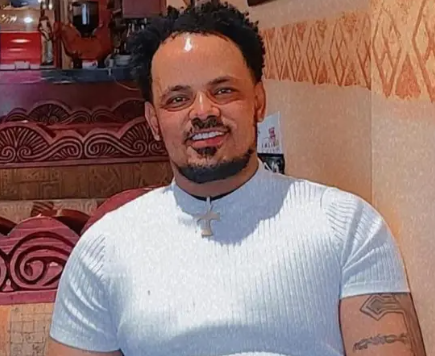
A compelling report published by BBC Amharic has exposed the extraordinary legal and diplomatic plight of Esubalew Belete, a Canadian citizen of Ethiopian descent currently incarcerated in Addis Ababa under high-stakes terrorism allegations. Esubalew, a senior aircraft maintenance specialist at Toronto Pearson International Airport, left his life in Canada to travel to Ethiopia for a deeply personal matter—the funeral of his mother. What was intended to be a brief journey of mourning and family reunion in Bahir Dar swiftly escalated into a nightmare when Ethiopian security forces intercepted him at Bole International Airport in Addis Ababa just as he was preparing to board his return flight home to Toronto.
According to details provided by BBC Amharic, state prosecutors have charged Esubalew under the country’s stringent anti-terrorism legislation, alleging that he provided logistical and material support to Fano militiamen active in the volatile Amhara region. His defense council vigorously rejects these claims, asserting that Esubalew traveled strictly to observe traditional mourning rituals and spend the Ethiopian New Year with relatives. Despite these assertions of innocence, he was denied bail, transferred from Qilinto Prison to the high-security Qaliti Prison, and subjected to nearly a year of continuous pre-trial detention.
The dynamic surrounding his case intensified when federal authorities offered a conditional release package to more than three hundred individuals held on similar security-related charges. As highlighted by BBC Amharic, the proposed pardon required detainees to sign a document admitting responsibility for the devastation and loss of life in the Amhara region while formally denouncing the Fano insurgency. Driven by an overwhelming desire to return to his wife and young child in Canada, Esubalew initially considered signing the admission. However, coverage by BBC Amharic reveals that direct intervention from Canadian diplomatic officials radically altered his decision.
Canadian authorities cautioned Esubalew that signing a formal admission of guilt could carry severe legal repercussions under international and Canadian law once he returned home, ultimately advising him to uphold his right to be presumed innocent and fight the allegations in court. By standing among a small minority of roughly thirty suspects who refused the government’s pardon offer, Esubalew remains in custody. Through its detailed accounting of the case, BBC Amharic underlines the perilous realities facing foreign nationals caught in domestic political turmoil and illustrates how the intersection of sovereign legal systems, national security legislation, and strategic diplomatic advice can fundamentally dictate a citizen’s fate.