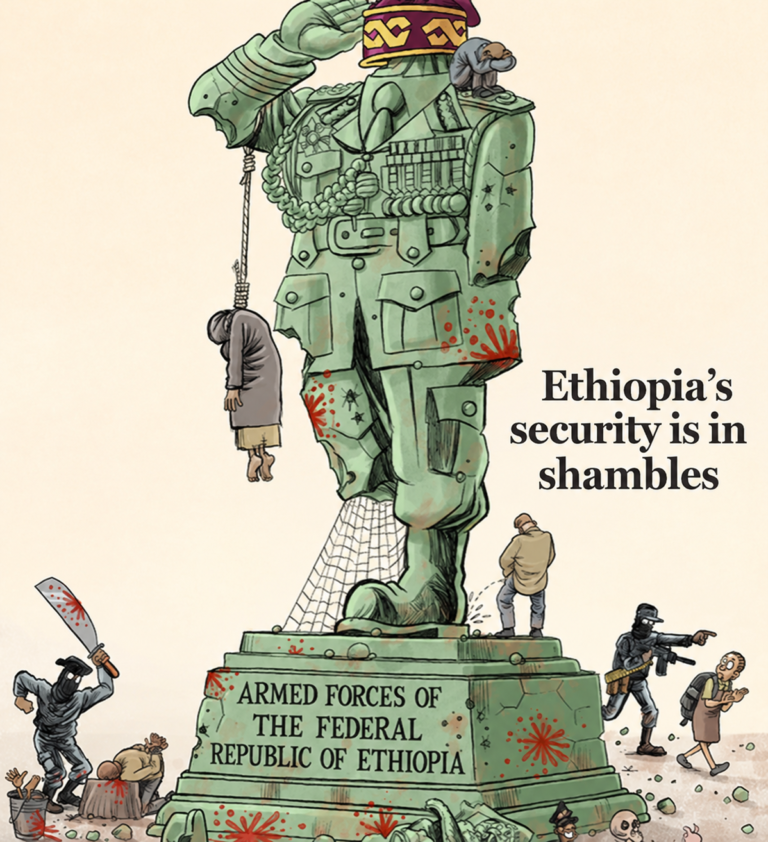
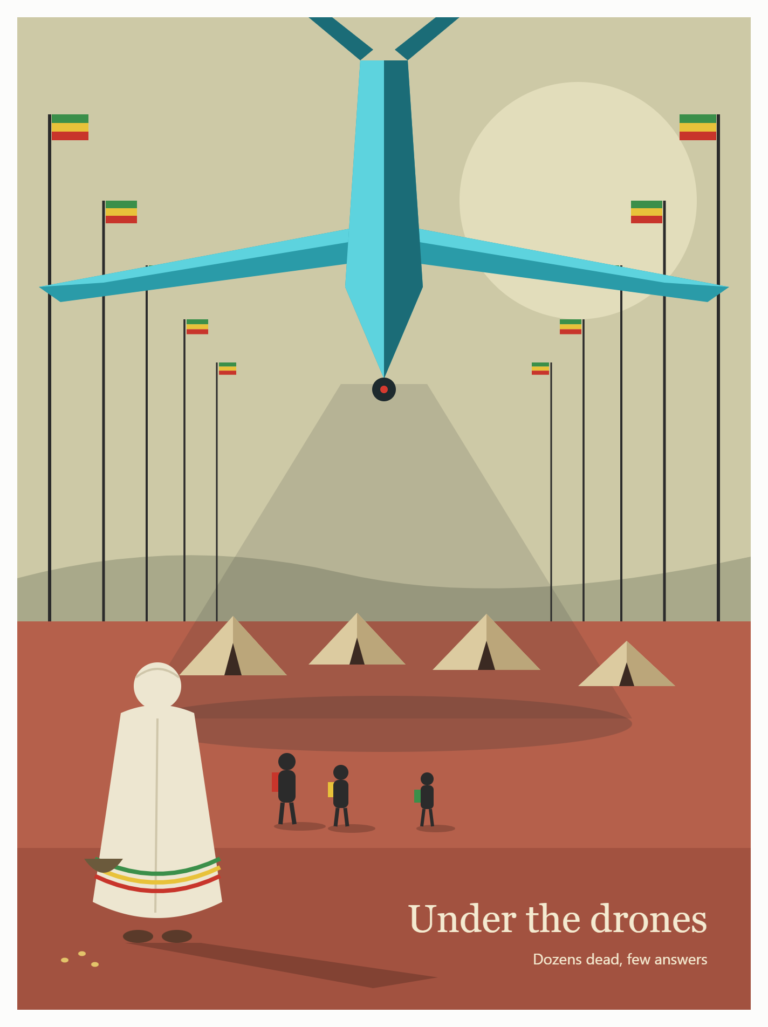
ADDIS ABABA — A drone strike killed at least 16 civilians at a displacement camp in northern Amhara last week, the latest in a series of attacks across Ethiopia that have shattered the 2022 peace agreement with Tigray and left the federal government struggling to account for its own war.
Residents said drones struck the Hayiq Jari 2 Turk camp near Hayiq five times at fifteen-minute intervals on 29 October while families sheltered inside. Three pregnant women, an 8-year-old girl and several students were among the dead, according to local media and the conflict monitor Frontlines Ethiopia. Twenty-two people were wounded and more than twenty shelters burned. The camp holds over 1,800 displaced people.
Four days later, WHO Director-General Tedros Adhanom Ghebreyesus said children, including a newborn, were reported killed at the camp, and that several people died at Rama in Tigray while queueing for food. He said northern hospitals lack staff, medicine and equipment, ambulances are scarce, and insecurity is blocking medical deliveries.
” Civilians must be protected. Health workers and humanitarian supplies must be allowed to reach those in need,” Tedros said. The government had issued no public explanation of the strike as of Monday. Addis Ababa has long dismissed Tedros, an ethnic Tigrayan and former minister under the previous government, as politically biased.
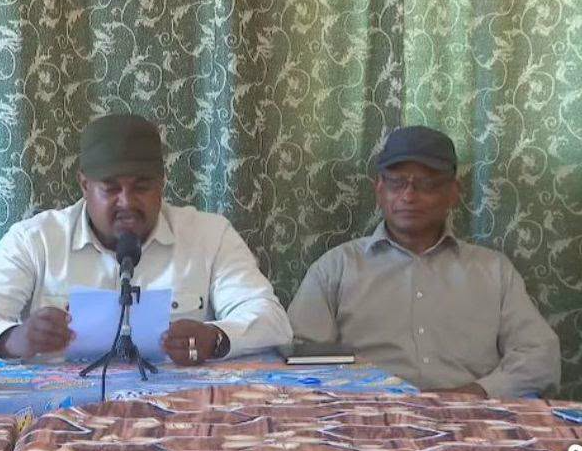
The attack came days after federal troops and the pro-government Tigray Peace Force entered Mekelle on 3 October, unopposed, after the TPLF withdrew from the regional capital. The 2022 Pretoria agreement is now widely considered defunct. A communications blackout left the city’s fall unverifiable for days.
In Oromia, the Ethiopian Orthodox Church’s Holy Synod says at least 60 worshippers were killed in attacks on 20 and 24 October across Merti and Shirka woredas in Arsi Zone, with 36 victims buried in a mass grave. No group has claimed responsibility. US Ambassador Ervin Massinga condemned the “targeted killings” and demanded an investigation.
Human Rights Watch has documented war crimes by both federal forces and Fano militias in Amhara, where fighting has run since 2023, and aid access is severely restricted.
The violence follows a June election that handed Abiy Ahmed’s Prosperity Party a landslide. The Coalition for Ethiopian Unity called the vote rigged; veteran politician Merera Gudina told the BBC it was the least competitive in recent memory. Tigray was largely excluded from voting.
The government has also tightened control of the press. Two Sheger FM journalists were held more than twenty days in September 2025 before a Supreme Court order secured their release; masked gunmen abducted a senior Reporter editor in August; and parliament shifted the power to revoke media licences to a regulator headed by a prime minister’s appointee.
Economically, the birr has lost over half its value since the 2024 float and trades near 161 to the dollar, while inflation rebounded to 11.7 per cent in April. The UN estimated 3.3 million people internally displaced by mid-2025.
Relations with Eritrea remain volatile, with both sides massing troops on the border and Addis accusing Asmara of occupying Ethiopian territory. Seven armed and political groups, including the TPLF, Fano and the Oromo Liberation Army, formed a coalition in September with the stated aim of removing the government.
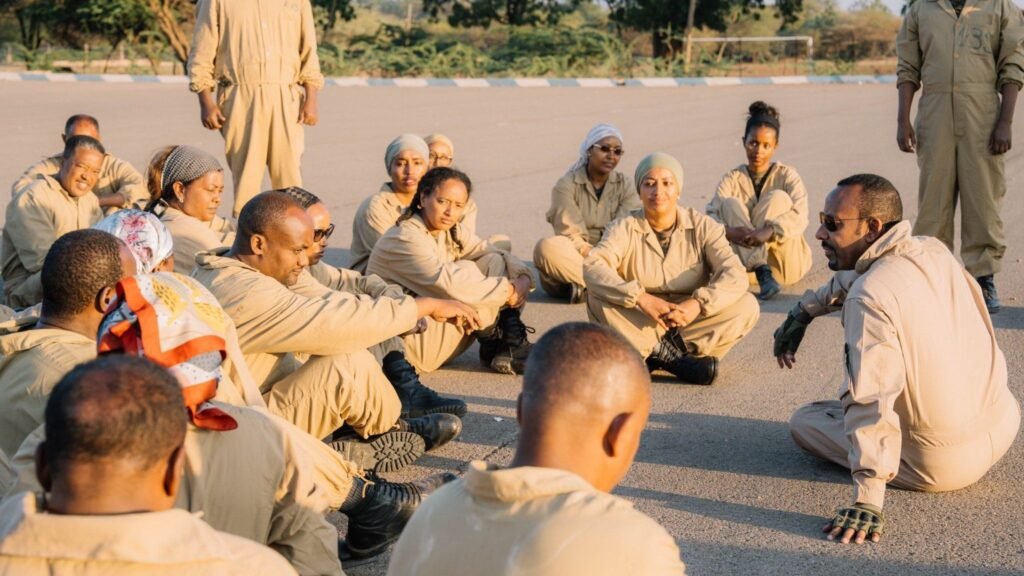
On Saturday, Abiy’s office released photographs of the prime minister and cabinet ministers in khaki undergoing military training at the Hurso centre, citing “discipline, leadership and readiness.”
Sources: AP, Al Jazeera, Anadolu Agency, BBC, Addis Standard, Human Rights Watch, IMF.