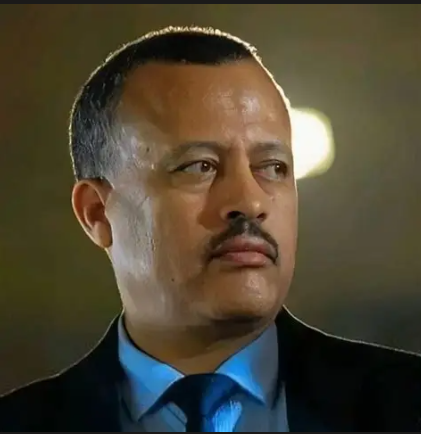
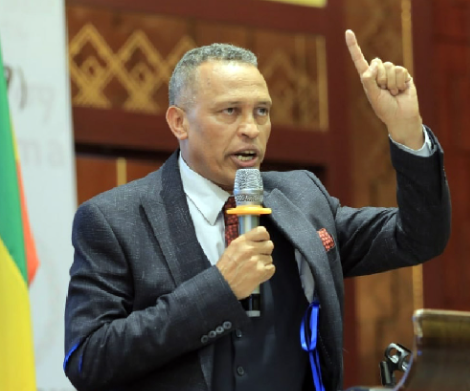
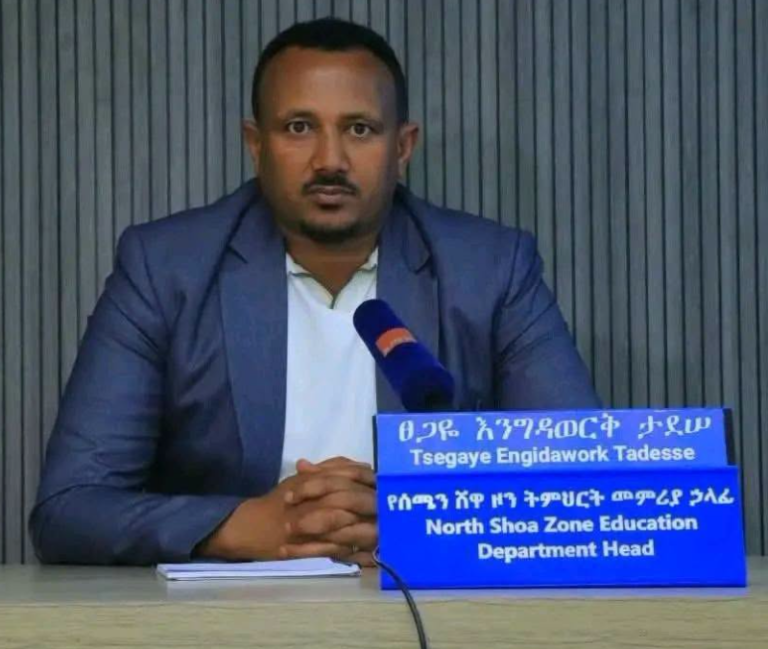
A senior delegation presented by the Amhara Media Corporation this week claimed that leaders of the Amhara Fano People’s Organization (AFAHD/AFPO) have formally endorsed a “sustainable peace agreement” with the Amhara regional authorities — a declaration that immediately stirred controversy inside the wider Fano movement.
According to the state broadcaster’s report, several officials introduced as AFPO political and administrative leaders appeared in Addis Ababa to publicly embrace the deal. They argued that years of armed resistance had failed to deliver meaningful change for communities in the region and that continued fighting was dragging Amhara deeper into crisis. One of the speakers, presented as Eyasu Abera, reportedly said the decision was driven by a hard truth: the movement had not been able to secure improvements for the public, and peace was “the only alternative left.”
The individuals featured in the broadcast framed the agreement as a practical step meant to pull the region back from the brink. They linked the deal to allowing students to return to classrooms and farmers to resume their livelihoods without fear of bombardment or displacement. Another representative, introduced as Girma Ejigayehu, argued that armed struggle had brought nothing but loss, insisting that negotiations were the only legitimate path the organization should pursue.
The state outlet also amplified warnings about “internal and foreign forces” allegedly exploiting the conflict to destabilize Amhara and turn it into a prolonged battleground. The officials showcased in the report distanced themselves from Fano factions that remain active, accusing them of pursuing personal agendas or acting under outside influence. AFAHD, they said, would not cooperate with those who continued to fight or who received support from abroad.
But the narrative pushed by the Amhara Media Corporation stands in direct contradiction to statements from the known AFPO leadership, many of whom immediately rejected the supposed peace pact as a manufactured political show. Senior figures outside the AMC broadcast have repeatedly insisted that no legitimate negotiating team was authorized to sign an agreement on behalf of the organization and that any such announcement is an attempt by the regional government to project momentum where none exists.
The dueling claims now deepen uncertainty around the state of negotiations and highlight an increasingly fragmented landscape within Fano. While the regional government promotes the AMC report as evidence of progress, much of AFPO’s recognized leadership portrays it instead as propaganda aimed at weakening the movement’s command structure and morale.
Whether the announcement marks the start of a genuine peace process or simply another front in the information war remains unresolved — and the broader conflict continues without a clear sign of de-escalation.