As Ethiopia moves forward with its nationwide elections, regional authorities in Amhara have dismissed a sweeping transport blockade declared by the Amhara Fano National Movement (AFNM), asserting that the move will not severely compromise public safety or regional governance. The armed group’s decree sought to halt all vehicular traffic across the region from Friday, May 29 until June 2, 2026, threatening retaliation against anyone non-compliant, though excluding emergency services like ambulances.
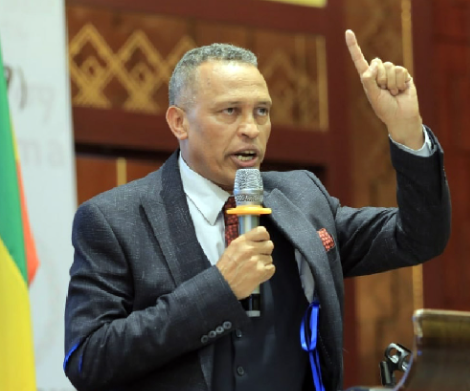
Speaking to Deutsche Welle (DW), the head of the Amhara Region Peace and Security Bureau, Eshetu Yousuf, characterized the rebel directive as a familiar scare tactic designed to provoke public anxiety and disrupt daily life. He stated that the regional administration anticipates minimal impact on official government business or the overall security situation.
However, local accounts reveal a mounting sense of dread that contrasts with the government’s confident stance. An anonymous resident from Mekane Selam told DW that the AFNM’s announcement sent a wave of panic through the population, which was soon compounded by intense midday skirmishes in the vicinity involving both heavy and light weaponry.
This friction is the latest chapter in a broader, ongoing conflict between federal defense forces and Fano militias. The political climate intensified earlier this year when Fano factions warned civic employees, political parties, and locals against participating in voter registration. The militants argued that proceeding with an election amidst active fighting, mass displacement, and military clampdowns would strip the vote of its legitimacy.
Federal and regional leadership have consistently rejected these ultimatums, pledging to preserve administrative and constitutional procedures despite localized unrest. Yet, the ground reality remains grim for civilians. Since the federal government declared a state of emergency in August 2023, the Ethiopian Human Rights Commission (EHRC) has registered severe abuses. The watchdog has highlighted the artillery shelling of urban residential zones in towns like Burie, Finote Selam, and Debre Birhan, alongside widespread reports of arbitrary arrests and extrajudicial killings in Bahir Dar and Shewa Robit. With blockaded roadways continually choking humanitarian aid and trapping displaced populations, the latest travel ban further endangers an already vulnerable populace.