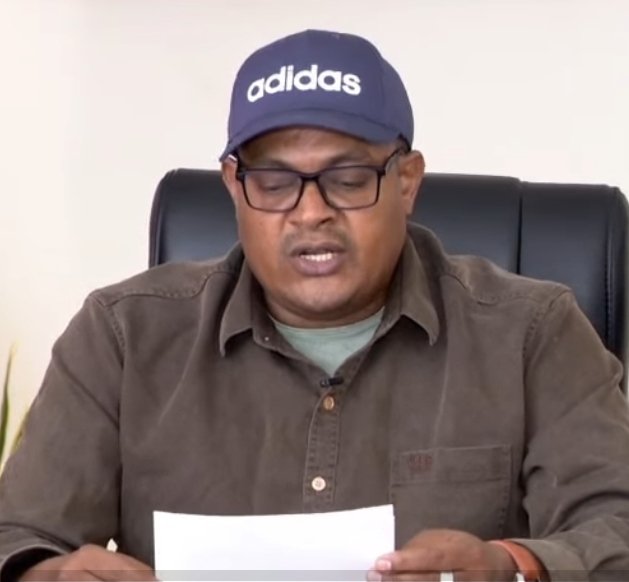
In a move the Amhara regional government is hailing as a milestone for stability, Colonel Fentaw Muhaba, the Vice Chairman and Military Commander-in-Chief of the Amhara Fano People’s Organization (AFPO/AFAHD), has reportedly accepted a peace option and entered into negotiations with regional authorities. State media outlets reported on Monday that the high-ranking commander, who also leads the Wollo command, transitioned to the peace process following mediation efforts involving the African Union (AU) and the Intergovernmental Authority on Development (IGAD).
The agreement, described by regional President Arega Kebede as a foundational step for peaceful relief, purportedly aims to end the protracted armed conflict in the region. Government officials have emphasized that the door remains open for other combatants to lay down arms, framing the move as a victory for dialogue over the futility of war.
While the regional administration presents this as a breakthrough, the development carries a heavy sense of déjà vu. Months prior, a similar ceremony was held where Captain Masresha Sete, then identified as an AFPO representative, signed a peace agreement. At the time, Masresha was the first significant name to publicly embrace the regional government’s peace initiative. However, the legitimacy of that deal was immediately challenged. The AFPO leadership at the time issued a rebuttal, claiming that Masresha Sete did not have the authority to represent the organization and labeling the event a staged performance.
From a neutral standpoint, any initiative that aims to silence the guns is inherently positive for a population weary of displacement and insecurity. However, the fact that the AFPO hasn’t released an official statement confirming or denying this specific development makes the situation appear shallow. Without a formal endorsement from the organization’s high command, these announcements often look more like individual departures than a strategic peace treaty.
Pro-AFPO sources have already begun to condemn Colonel Fentaw, labeling him a traitor to the movement. This internal fragmentation suggests that while individuals may be leaving the battlefield, the organizational structure of the Fano movement remains in opposition. For the residents of the Amhara region, these high-profile announcements have yet to result in a tangible reduction of unrest on the ground, and the threat of ongoing conflict remains high.
The regional government maintains that the participation of a figure as senior as Colonel Fentaw proves the momentum is shifting toward peace. Skeptics, however, point out that as long as the core political grievances of the Fano movement remain unaddressed, these individual agreements may only serve as short-term victories rather than the lasting peace promised by regional leaders.