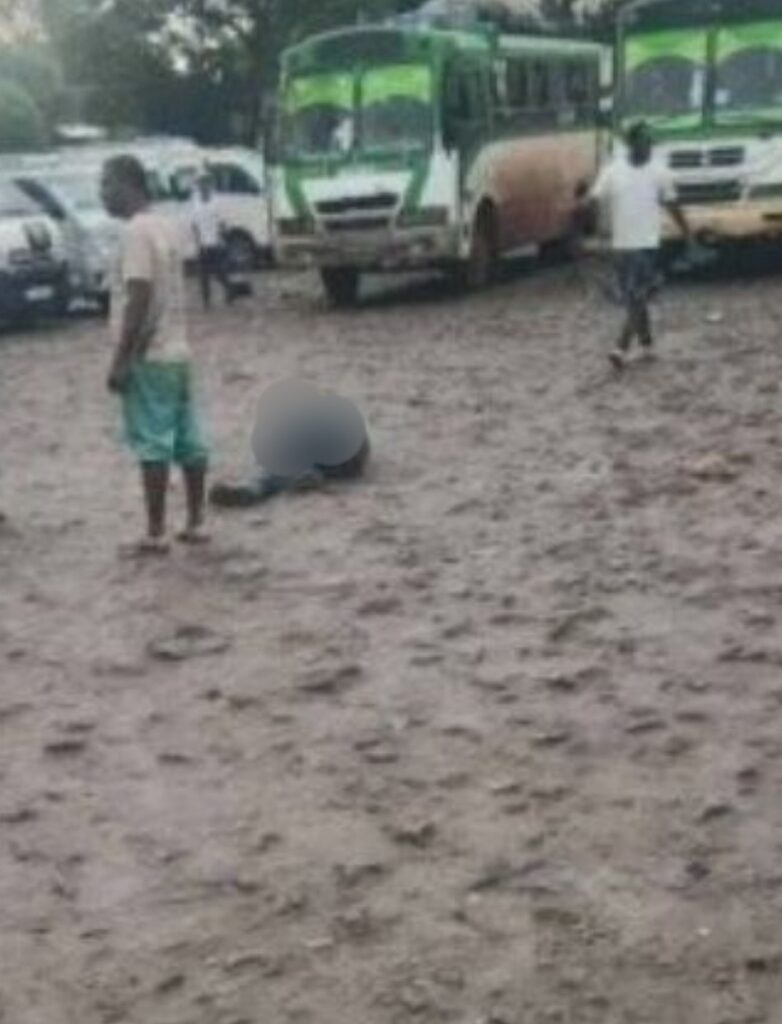
Early Tuesday morning transformed an ordinary commute into a scene of unimaginable carnage when armed gunmen launched a devastating assault on the central bus station in Gilgel Beles town, located in the volatile Metekel Zone of the Benishangul-Gumuz Region. Before the morning fog had cleared, at least 18 innocent travelers awaiting transportation were slaughtered, and scores more were left severely wounded—a grim reminder of the persistent bloody instability gripping the border regions between Amhara and Benishangul-Gumuz.According to regional council member Lemessa Neno and traumatized local residents, an insurgent faction led by an individual known as Mekuria descended on the town around 6:00 AM, raining heavy gunfire upon defenceless passengers. While community members reported terrifying scenes of heavy weaponry echoing near public landmarks and local churches, official authorities appeared far more concerned with controlling the narrative than addressing the catastrophic failure to protect their citizenry.When pressed by media outlets for answers regarding the morning’s bloodshed, local police officers offered evasive dismissals, going so far as to hang up on journalists after claiming that everything was fine. Meanwhile, the Metekel Zone Administration released a calculated statement that conspicuously omitted any mention of civilian casualties altogether, choosing instead to focus entirely on claiming a tactical victory by security forces against allied Gumuz and Fano insurgents.This dismissive stance from federal and regional authorities is an all-too-familiar slap in the face to communities along the Amhara–Benishangul-Gumuz border. For years, residents in Metekel have endured a relentless cycle of massacres, ethnic targeted violence, and lawlessness, while the government in Addis Ababa routinely downplays the severity of attacks, issues sweeping security boasts, and leaves vulnerable populations exposed to armed groups. As families drag their loved ones to local clinics and mourn another 18 senseless deaths, the government’s systemic inability—and apparent unwillingness—to secure these predictable flashpoints highlights a profound crisis of governance that continues to cost innocent Ethiopian lives.